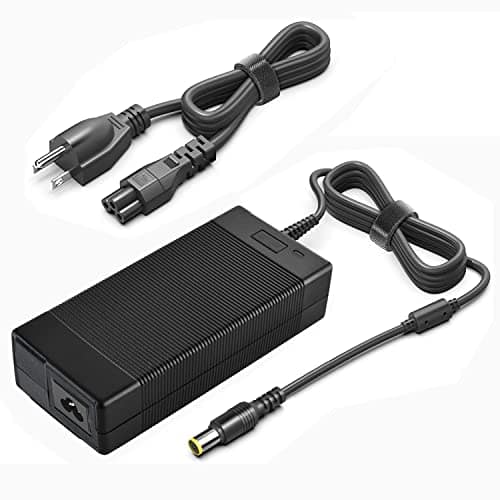
A solar inverter plays a crucial role in converting the direct current (DC) generated by solar panels into usable alternating current (AC) electricity.
In this guide, we have meticulously researched and evaluated various solar inverters to bring you a selection of the top choices available in the market today. Whether you’re a homeowner, business owner, or solar enthusiast, our guide will help you make an informed decision and harness the full potential of solar energy.
IN THIS ARTICLE
COMPARE PRODUCTS
1  | SCORE: 8.6 Brand: Renogy  | |
2 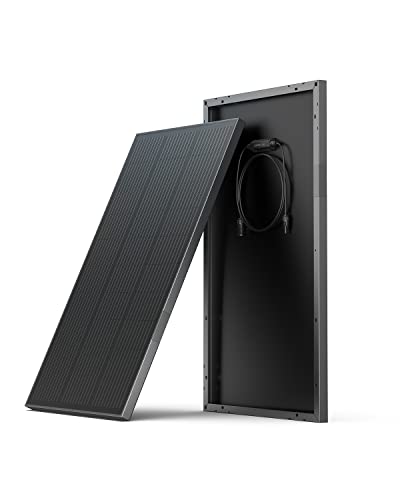 | SCORE: 8.4 Brand: EF ECOFLOW | |
3  | SCORE: 8.0 Brand: ALLPOWERS | |
4  | SCORE: 7.6 Brand: EcoFlow | |
5  | SCORE: 9.2 Brand: EcoFlow | |
6  | SCORE: 8.2 Brand: EF ECOFLOW | |
7 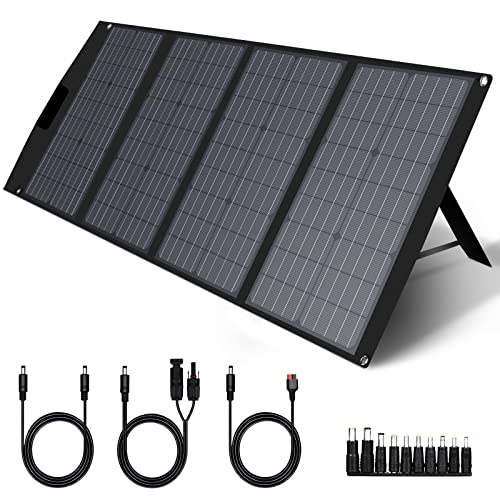 | SCORE: 9.2 Brand: TWELSEAVAN |
Buying Guide
Pros and Cons
Pros
- High energy conversion efficiency, maximizing solar power generation.
- Advanced monitoring and control features for system optimization.
- Reliable and durable construction, ensuring long-term performance.
- Compatibility with a wide range of solar panel brands and configurations.
- Excellent warranty and customer support for peace of mind.
Cons
- Higher upfront cost compared to traditional grid-tied systems.
- Requires professional installation and electrical expertise.
- Some models may have limited compatibility with specific battery storage systems.
- Certain inverters may generate audible noise during operation.
- In rare cases, issues with firmware updates or software compatibility may arise.
Efficiency
The efficiency of a solar inverter directly impacts the overall energy output of your solar power system. Look for inverters with high efficiency ratings to maximize the conversion of solar energy into usable electricity. Higher efficiency means less energy loss during the conversion process, resulting in increased overall system performance.
Compatibility
Ensure that the solar inverter you choose is compatible with your solar panel system. Consider factors such as voltage, power rating, and wiring configuration. Different inverters are designed for specific panel types, so it’s important to select one that matches your panels to ensure optimal performance and compatibility.
Monitoring and Control
Advanced monitoring and control features can provide valuable insights into your solar power system’s performance. Look for inverters that offer real-time monitoring, data logging, and remote control capabilities. These features allow you to track energy production, identify any issues or faults, and optimize the efficiency of your solar system.
Reliability and Durability
A solar inverter is a long-term investment, so it’s essential to choose a reliable and durable model. Consider the reputation of the manufacturer and the warranty provided. Look for inverters with robust construction, protection against environmental factors, and a solid track record for reliability. This ensures that your inverter will operate efficiently and withstand the test of time.
Additional Features
Consider any additional features that may be important for your specific needs. This could include grid connectivity options, battery compatibility for energy storage, or compatibility with smart home systems. Evaluate the available features and determine which ones align with your goals and preferences for your solar power system.
FAQs
What is a solar inverter and why is it important?
A solar inverter is an essential component of a solar power system. It converts the DC electricity generated by solar panels into AC electricity that can be used to power your home or business. Without an inverter, the electricity produced by solar panels would be unusable for most applications.
What should I look for when choosing a solar inverter?
When selecting a solar inverter, consider factors such as efficiency, reliability, warranty, compatibility with your solar panels, and the specific needs of your installation. It’s important to choose an inverter that meets your power requirements and offers features like monitoring and grid connectivity, if desired.
Are all solar inverters the same?
No, solar inverters come in different types, such as string inverters, microinverters, and power optimizers. Each type has its own advantages and considerations. String inverters are cost-effective for larger installations, while microinverters offer panel-level optimization and greater system flexibility. Power optimizers combine the benefits of both.
Final Thoughts
In conclusion, choosing the best solar inverter is vital to maximize the energy efficiency of your solar power system. By selecting a reliable and efficient inverter, you can ensure optimal conversion of solar energy into usable electricity. We have provided you with a comprehensive buying guide and highlighted the top solar inverter choices available in the market. Evaluate your specific needs, consider the pros and cons, and make an informed decision to harness the full potential of solar power for your home or business.