
Are you in the market for a portable power source and can’t decide between portable generators or power stations? It can be confusing to understand the differences, so we’re here to give you all the information you need to make an informed decision.
Learn about the pros and cons of each, so you can choose from either portable generator or a portable power station with confidence.
IN THIS ARTICLE
COMPARE PRODUCTS
1  | SCORE: 8.6 Brand: Honda  | |
2  | SCORE: 8.4 Brand: VTOMAN | |
3  | SCORE: 8.0 Brand: Champion | |
4 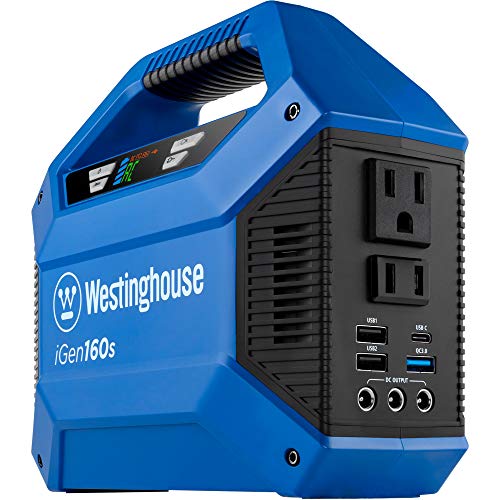 | SCORE: 7.6 Brand: A-iPower | |
5  | SCORE: 9.2 Brand: DuroMax | |
6  | SCORE: 8.2 Brand: Westinghouse | |
7 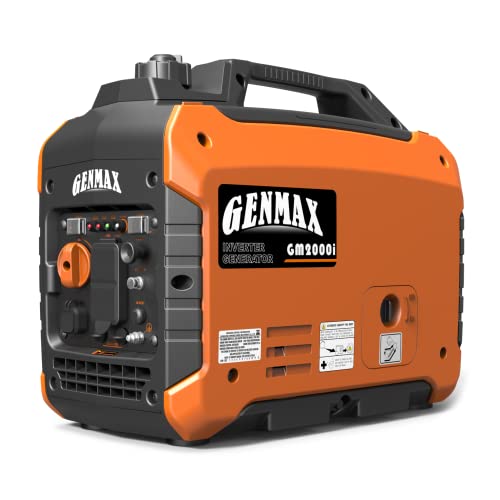 | SCORE: 9.2 Brand: GENMAX |
Buying Guide
Portability
Portable generators tend to be heavier and noisier than power stations, making them a less-than-ideal choice for campers or hikers who want something light and quiet. Power stations are usually lighter in weight and can even be charged by solar panels, making them a great choice for outdoor adventurers.
Cost
Portable generators are typically more expensive than power stations, since they require fuel and regular maintenance. Power stations may cost more upfront but will save you money in the long run, as they don’t need to be refueled or serviced as often.
Safety
Both portable generators and power stations can be dangerous, especially when used indoors. Portable generators produce carbon monoxide, which can be deadly if inhaled in large amounts. Power stations don’t contain fuel and therefore don’t emit any fumes, making them a safer option for indoor use.
Environmental Impact
Portable generators are not very eco-friendly, as they release carbon dioxide and other pollutants into the atmosphere. Power stations on the other hand, can be powered by renewable energy sources like solar and wind power, so they have a much lower environmental impact.
Performance
Portable generators are typically powered by diesel, gasoline, or propane. They have a motor that converts fuel into electricity, making them great for powering large appliances like refrigerators and air conditioners. Portable power stations also use batteries to store energy, but they can be charged in other ways such as solar panels. This makes them more efficient than generators, as they don’t need to constantly be refueled to keep running.
FAQs
1. What is the difference between a portable generator and a portable power station?
Portable generators use either gasoline or diesel to produce electricity, while portable power stations are powered by rechargeable batteries. Portable generators can be used to provide temporary power when needed, but must be refueled periodically. Portable power stations, on the other hand, can be recharged from an AC outlet or solar panel and, depending on the size of the battery, can provide power for several days.
2. What is the advantage of a portable power station over a portable generator?
Portable power stations are usually much quieter than generators since they don’t use combustion engines to generate electricity. They are also more efficient since they don’t lose energy when converting from mechanical to electrical power, as generators do. Portable power stations also offer the convenience of being able to charge devices quickly and easily, without needing access to an AC outlet.
3. Are there any safety considerations for using a portable generator or a portable power station?
Yes, both portable generators and portable power stations require safety precautions. When using a generator, always ensure the area is well ventilated and keep combustible objects away from the generator at all times. Additionally, it’s important to read and follow all manufacturer instructions for proper use of a portable generator. With a portable power station, it is important to follow all safety instructions related to the rechargeable battery, such as avoiding overcharging and discharging too deeply. Additionally, never attempt to open the power station, as this could result in electric shock.
Final Thoughts
In conclusion, portable generators and power stations can both provide temporary or backup power when needed. Portable power stations offer the advantage of being more efficient, quieter, and easier to recharge than portable generators. However, it is important to take safety precautions with both kinds of devices to avoid injury or damage. With proper use and maintenance, a portable generator or power station can be a great asset when there is an interruption in electricity.


