
When the power goes out, it’s important to have a backup plan. A generator can be a lifesaver in these situations, and there are many different types of generators to choose from. In this blog post, we will discuss the 10 best indoor generators on the market today.
We will also provide a buyer’s guide to help you choose the right generator for your needs. Stay safe and powered up during emergencies with one of these top-rated generators!
Read more:
- The 10 Best Indoor Generators
- Best Propane Generators for Emergency Situations
- Best Solar Generators
- The Smallest Portable Generator
- Best Remote Start Generator review
- 10 Whole House Generators
- 7 Best Dual Fuel Generators for Emergency Home Use
- The 10 Best Inverter Generators
- 10 Best Quiet Generators for Camping
IN THIS ARTICLE
COMPARE PRODUCTS
1  | SCORE: 8.6 Brand: AIVOLT  | |
2  | SCORE: 8.4 Brand: Jackery | |
3  | SCORE: 8.0 Brand: Jackery | |
4  | SCORE: 7.6 Brand: Jackery | |
5  | SCORE: 9.2 Brand: Togo | |
6  | SCORE: 8.2 Brand: Geneverse | |
7 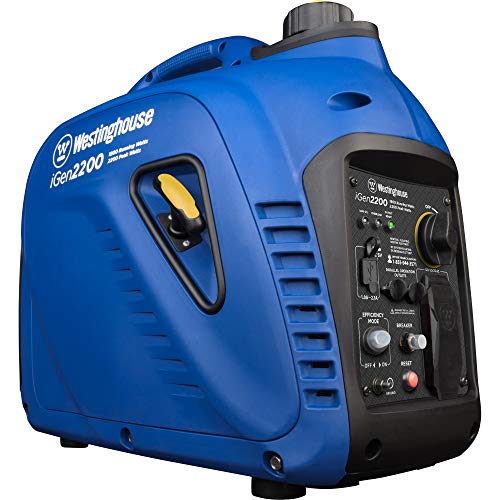 | SCORE: 9.2 Brand: Westinghouse |
Buying Guide
Power
From portable models to whole-house units, there’s an indoor generator perfect for every need. And, with our handy buying guide, you’ll be sure to find the right one for your home. So, what are you waiting for? Keep reading to learn more about the best indoor generators on the market!
Portable generators are a great option for those who need power on the go. Whether you’re camping or tailgating, these units can keep your lights and appliances running. And, since they’re easy to transport, you can take them wherever you need power.
Standby generators are another great option for those who need a reliable source of backup power. These units are permanently installed and can kick on automatically in the event of an outage. So, you’ll never have to worry about being left in the dark.
Battery Size
The size of the battery will determine how long the generator can run. A small battery may only last for a few hours, while a larger one could last for days.
Runtime
How long the generator can run on a single tank of gas or charge is important to consider. If you only need it for short power outages, then a shorter runtime may be fine. However, if you want to be able to use it for extended periods of time, then you’ll need one with a longer runtime.
Noise Level
Some generators can be quite noisy, which may not be ideal if you’re using it indoors. If noise is a concern, then look for a generator that’s specifically designed to be quiet.
Fuel Type
Gasoline is the most common type of fuel used by generators. However, there are also some that run on propane or diesel. Depending on your needs, you may want to consider a generator that uses an alternative fuel source.
Portability
It is another big factor to consider when shopping for an indoor generator. If you live in an apartment or condo, you’ll want a model that’s easy to move around. Some generators come with wheels and handles, which make them much easier to transport.
Inverter
Generators are becoming increasingly popular for their many benefits. An inverter generator is a type of generator that produces alternating current (AC) power. This is the type of power that is used in most homes and businesses. Inverter generators are more efficient than traditional generators because they can change the speed of the engine to match the load. This results in less fuel consumption and less noise.
There are many reasons why you might need an indoor generator. Maybe you live in an area that is prone to power outages. Or maybe you want to be prepared for an emergency situation. Whatever the reason, it’s important to choose the right generator for your needs.
FAQs
1. Is there a generator you can use inside your house?
Yes, there are a few different types of generators that are designed for indoor use. These include:
- Portable Generators: Portable generators are small and can be easily moved from one location to another. They typically run on gasoline or diesel and can be used to power a variety of devices, including lights, appliances, and electronic equipment.
- Standby Generators: Standby generators are larger than portable generators and are permanently installed in your home. They typically run on natural gas or propane and can power your entire home in the event of a power outage.
- Inverter Generators: Inverter generators are small, lightweight, and quiet. They typically run on gasoline or diesel and can be used to power sensitive electronics, such as laptops and phones.
2. What are the benefits of using an indoor generator?
There are a few different benefits of using an indoor generator, including:
- They provide backup power in the event of a power outage.
- They can be used to power lights, appliances, and electronic equipment.
- They are small and can be easily moved from one location to another.
- They are quiet and will not disturb your neighbors.
3. What are the drawbacks of using an indoor generator?
There are a few different drawbacks to using an indoor generator, including:
- They require regular maintenance and must be properly ventilated.
- They can produce harmful fumes, so they should not be used indoors without proper ventilation.
- They can be expensive to purchase and operate.
4. Can portable generators be used indoors?
The quick answer is no. Portable generators are designed to be used outdoors and away from any living spaces. This is because they produce carbon monoxide gas, which can be incredibly dangerous if it builds up in enclosed spaces.
Final Thoughts
So, there you have it, the ten best indoor generators that money can buy. Whether you’re looking for a generator to keep your lights on during an emergency or one to power your entire home, there’s sure to be one on this list that meets your needs. Be sure to do your research before making a purchase, and always remember to stay safe when using generators.


