
When it comes to boating adventures, having a reliable and efficient generator on board is essential. Whether you’re cruising along the open sea or spending a weekend fishing, a boat generator can power all your electrical needs, from lighting and navigation equipment to charging electronic devices.
However, finding the best generator for your boat can be a daunting task, considering the wide range of options available in the market. In this guide, we will explore the factors you need to consider before making a purchase, ensuring that you choose the best generator to meet your specific boating requirements.
IN THIS ARTICLE
COMPARE PRODUCTS
1  | SCORE: 8.6 Brand: Honda  | |
2  | SCORE: 8.4 Brand: VTOMAN | |
3  | SCORE: 8.0 Brand: Champion | |
4  | SCORE: 7.6 Brand: A-iPower | |
5  | SCORE: 9.2 Brand: DuroMax | |
6  | SCORE: 8.2 Brand: Westinghouse | |
7 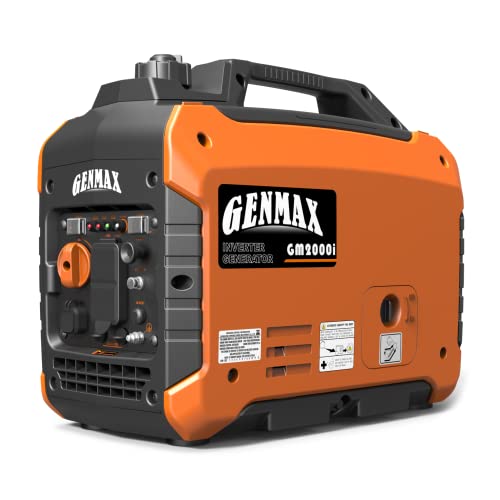 | SCORE: 9.2 Brand: GENMAX |
Buying Guide
Power Output
Determine your power requirements by considering the appliances and devices you intend to run on the generator. Make a list of all the electrical equipment you plan to use simultaneously and calculate their wattage. This will give you an idea of the minimum power output you need from a generator to meet your needs while on the water.
Size and Weight
Space is often limited on a boat, so it’s essential to choose a generator that is compact and lightweight. Consider the available storage space and the generator’s physical dimensions to ensure it can fit comfortably on your boat. Additionally, consider the weight of the generator to ensure it doesn’t cause any stability issues.
Fuel Type
Generators for boats typically come in three fuel types: gasoline, diesel, and propane. Each has its advantages and considerations. Gasoline generators are common and easily accessible, but they tend to be less fuel-efficient. Diesel generators are more fuel-efficient and provide greater power output but may require additional maintenance. Propane generators offer clean-burning fuel and are often quieter, but propane availability may be limited in certain areas. Consider the availability of fuel, fuel efficiency, and your personal preferences when choosing the fuel type for your generator.
Noise Level
Boating is often associated with tranquility, so it’s important to select a generator with low noise emissions. Look for models specifically designed for quiet operation, as excessive noise can disrupt your boating experience and disturb wildlife. Check the decibel rating provided by the manufacturer to ensure that the generator operates at an acceptable noise level.
Durability and Reliability
Boats face challenging environments, including exposure to water, vibrations, and corrosion. Therefore, choose a generator that is built to withstand these conditions. Look for generators constructed with durable materials and designed to be water-resistant and corrosion-resistant. Additionally, opt for reputable brands known for their reliability and quality craftsmanship to ensure your generator performs consistently and lasts for a long time.
FAQs
Can I use a regular portable generator for my boat?
While it’s technically possible to use a regular portable generator on a boat, it’s not recommended. Marine generators are specifically designed to withstand the unique challenges of boating, such as water exposure, vibrations, and corrosion.
How do I determine the power requirements for my boat?
To determine your power requirements, make a list of all the appliances and devices you plan to use simultaneously. Check their wattage ratings and add them up to get the total power requirement. Choose a generator that can handle this total wattage, with some additional capacity for future needs.
Are inverter generators better for boats?
Yes, inverter generators are highly recommended for boats. They provide clean and stable power, making them safe for sensitive electronics. Inverter generators are also known for their fuel efficiency and quiet operation, making them ideal for boating.
Final Thoughts
Selecting the best generator for your boat is a crucial decision to ensure a comfortable and hassle-free boating experience. By considering factors such as power output, size and weight, fuel type, noise level, and durability, you can narrow down your options and choose a generator that perfectly suits your needs. Remember to prioritize safety, efficiency, and reliability when making your final purchase, and enjoy the peace of mind knowing that you have a reliable power source on board for all your boating adventures.


