
A whole house generator can be a lifesaver when the power goes out. If you live in an area that is prone to blackouts, or if you just want to be prepared for the worst, then a whole-house generator is a wise investment.
In this blog post, we will discuss 10 of the best whole-house generators on the market today. We will also provide information on what to look for when shopping for a whole-house generator, and we will give you some tips on how to maintain your generator once it is installed.
Read more:
- The 10 Best Indoor Generators
- Best Propane Generators for Emergency Situations
- Best Solar Generators
- The Smallest Portable Generator
- Best Remote Start Generator review
- 10 Whole House Generators
- 7 Best Dual Fuel Generators for Emergency Home Use
- The 10 Best Inverter Generators
- 10 Best Quiet Generators for Camping
IN THIS ARTICLE
COMPARE PRODUCTS
1  | SCORE: 8.6 Brand: Generac  | |
2  | SCORE: 8.4 Brand: Generac | |
3  | SCORE: 8.0 Brand: Generac | |
4 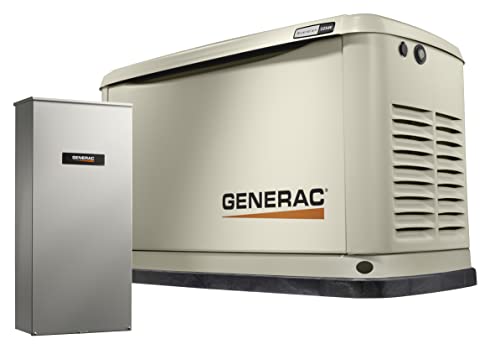 | SCORE: 7.6 Brand: Generac | |
5  | SCORE: 9.2 Brand: Generac | |
6  | SCORE: 8.2 Brand: Generac | |
7  | SCORE: 9.2 Brand: Generac |
Buying Guide
Power Output
This is one of the most important considerations when shopping for a generator. You’ll want to make sure that the generator you choose can handle the amount of power you need.
Run time
This is how long the generator can run on a full tank of gas. The average size tank for a whole-house generator is 250 gallons, so you’ll want to choose one with a run time of at least 11 hours. If you have a larger home or live in an area with extreme weather conditions, you may want to consider a generator with a run time of 20 hours or more.
Price
While you don’t want to skimp on quality, you also don’t want to overspend on features you may never use. Consider your budget when choosing a whole house generator. Prices can range from $2000 to $15000, so it’s important to find one that’s within your price range.
Fuel type
It is an important consideration when selecting a generator. Some common fuel types include gasoline, diesel, natural gas, and propane.
Another important consideration is the type of generator you need. There are three main types of generators: portable, standby, and inverter. Portable generators are the most affordable option and are great for small homes or camping trips. Standby generators are more expensive but are permanently installed and automatically turn on when the power goes out. Inverter generators are the most expensive but offer clean power and quiet operation.
Noise level
It is an important consideration when purchasing a generator. Some models can be quite loud, so if you have young children or are looking for a model to take camping, make sure to check the noise level before making your purchase.
Ease of use
It is one of the main criteria for choosing a generator. If you don’t know how to operate it, then it’s not going to do you much good. Another criterion is fuel efficiency. A generator that uses less fuel is better for the environment and your wallet.
Here are ten whole house generators that meet those criteria:
- Honda EU2000i Super Quiet Portable Inverter Generator: This generator is easy to use and very fuel efficient. It’s also super quiet, making it perfect for camping or tailgating.
- Yamaha EF2000iSv21 Portable Inverter Generator: This generator is also easy to use and fuel efficient. It’s slightly larger than the Honda, but it’s still portable.
- Champion Power Equipment 100302 Portable Inverter Generator: This generator is easy to use and very affordable. It’s also relatively quiet and fuel efficient.
- Westinghouse WGen3600v Portable Generator: This generator is easy to use and very powerful. It’s also quite fuel efficient.
- DuroStar DS4000S Portable Generator: This generator is easy to use and very affordable. It’s not as quiet as some of the other options, but it’s still a good choice for those on a budget.
FAQs
1. What is the most reliable whole-house generator?
The most reliable whole-house generator is the Generac Guardian 22kW Standby Generator. It is durable, has a long life span, and can power your entire home for days at a time.
2. Is there a generator better than Generac?
There are a few different models of Generac generators that are better than the average whole-house generator. The best one for your needs depends on how much power you need and what features you’re looking for.
3. What size generator is needed to run an average house?
This is a difficult question to answer because it depends on so many factors. The size of your home, the number of appliances you have, and the amount of power each appliance uses all play a role in determining how large of a generator you’ll need.
As a general rule of thumb, you’ll want a generator that can produce at least 2000 watts of power. However, if you have a large home or a lot of appliances, you may need a generator that can produce up to 10000 watts of power.
Final Thoughts
If you are looking for the best whole-house generator, then this is the list for you. These ten generators will keep your home powered up no matter what. So, if you are ever in a pinch, make sure to check out one of these whole-house generators. Thank us later!


