
Have you been trying to decide between a Powerhorse and a Predator generator for your home? It can be a difficult choice— both have their advantages and disadvantages.
But with our comprehensive guide to the Powerhorse vs Predator generator comparison, you’ll be able to pick the right one for your home in no time. Weigh up the pros and cons of each generator and make an informed decision when it comes to powerhouse vs predator.
IN THIS ARTICLE
COMPARE PRODUCTS
1  | SCORE: 8.6 Brand: Honda  | |
2  | SCORE: 8.4 Brand: Westinghouse | |
3  | SCORE: 8.0 Brand: Powerhorse | |
4 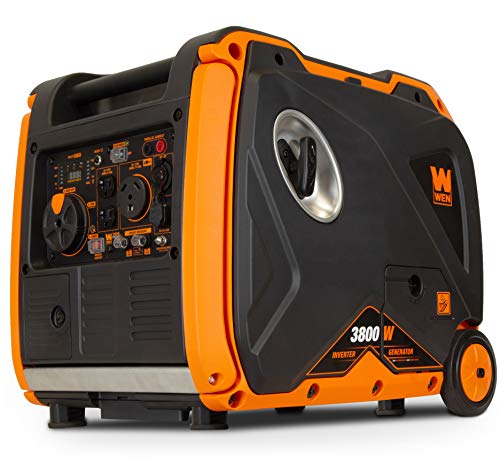 | SCORE: 7.6 Brand: WEN | |
5 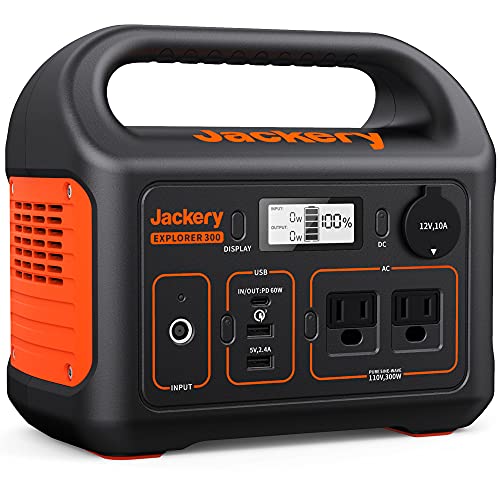 | SCORE: 9.2 Brand: Jackery | |
6 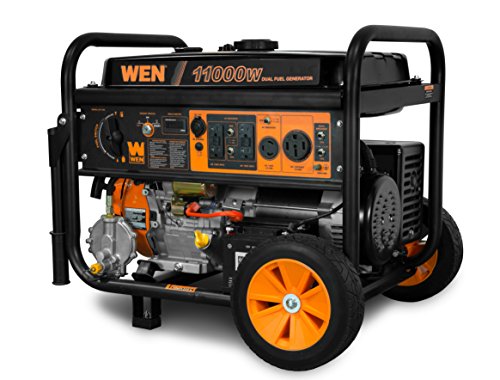 | SCORE: 8.2 Brand: WEN | |
7  | SCORE: 9.2 Brand: Westinghouse |
Buying Guide
Design & Portability
The Powerhorse generator is designed with the user in mind. It comes equipped with an ergonomic handle that makes it easy to move around, as well as two AC outlets, one DC outlet, and one twist lock outlet for added convenience. The Predator generator is slightly smaller and lighter, but it does not have the same ergonomic handle for easy portability.
Cost & Warranty
The Powerhorse generator typically costs more than the Predator model, but it comes with a 3-year limited warranty that covers defects in materials or workmanship. The Predator generator has a 2-year limited warranty that covers the same issues.
Power Output & Noise Level
The Powerhorse generator can produce up to 7,000 watts of power and operates relatively quietly, emitting only 68 decibels at full load. The Predator model is able to generate up to 6,500 watts of power but emits a slightly higher noise level of 72 decibels when running at full load.
Fuel Efficiency & Run Time
The Powerhorse generator has slightly higher fuel efficiency, though both models have a runtime of up to 8.5 hours on a single tank of gasoline. The Powerhorse generator is able to run for up to 16 hours with its larger 5-gallon fuel tank. The Predator model has a slightly smaller 4-gallon fuel tank, making it better suited for shorter duration tasks.
Size & Weight
The Powerhorse generator is bigger and heavier than the Predator model, weighing in at 187 pounds compared to the Predator’s 154-pound weight. This makes the Predator more portable, but the Powerhorse is better suited for larger tasks.
Durability & Reliability
The Powerhorse generator has a cast iron sleeve that provides extra durability and longevity and can handle rough terrains. The Predator model features an aluminum construction which makes it lightweight but less durable than the Powerhorse. Both models have proven to be reliable, but the Powerhorse is better suited for long-term use.
Power Outputs
The Powerhorse generator has a higher output, providing an impressive 10,000 watts of peak power and 8,500 watts of running power. The Predator model can only reach 6,250 watts of peak power and 5,500 watts of running power. If you’re looking for more power, the Powerhorse is a better choice.
Performance
When it comes to performance, the Powerhorse generator has a better power output. It can produce up to 6,000 watts of sustained power with peak outputs of 7,200 watts and it can run for up to 8 hours on a full tank. The Predator generator, on the other hand, has a maximum output of only 4,400 watts and a running time of only 6 hours on a full tank.
FAQs
1. What is the difference between a Powerhorse and Predator Generator?
A Powerhorse generator has advanced inverter technology, making it more fuel efficient than a traditional Predator generator. Additionally, it typically produces less noise and vibration than a Predator model while operating at higher speeds. The Powerhorse also features an electric start system for easy starting, whereas the Predator generator must be manually started.
2. Which is more reliable, a Powerhorse or Predator Generator?
Both Powerhorse and Predator generators are highly reliable and durable products that can provide years of service with proper maintenance and use. However, the Powerhorse typically has a longer lifespan than the Predator due to its improved components and design. In addition, the Powerhorse generator is equipped with a self-diagnostics feature that ensures proper operation and alerts you to any potential issues before they become major problems.
3. What type of maintenance is required for Powerhorse and Predator Generators?
Both Powerhorse and Predator generators require routine maintenance in order to remain operational. This includes changing the oil as well as air filter, spark plug, and carburetor adjustments. Additionally, Powerhorse generators must have their fuel system checked at least once a year to ensure it is running smoothly and efficiently. The Predator generator does not require the same level of maintenance; however, regular oil changes are still recommended for optimal performance.
Final Thoughts
Overall, Powerhorse and Predator generators both require routine maintenance to remain operational. The Powerhorse generator requires more frequent maintenance in order to keep the fuel system running smoothly and efficiently. It is important to follow the manufacturer’s instructions for proper care of your generator in order to ensure its longevity and performance. By following these recommendations, you can ensure that your generator will provide reliable power for years to come.


